Field Notes from the Stillness
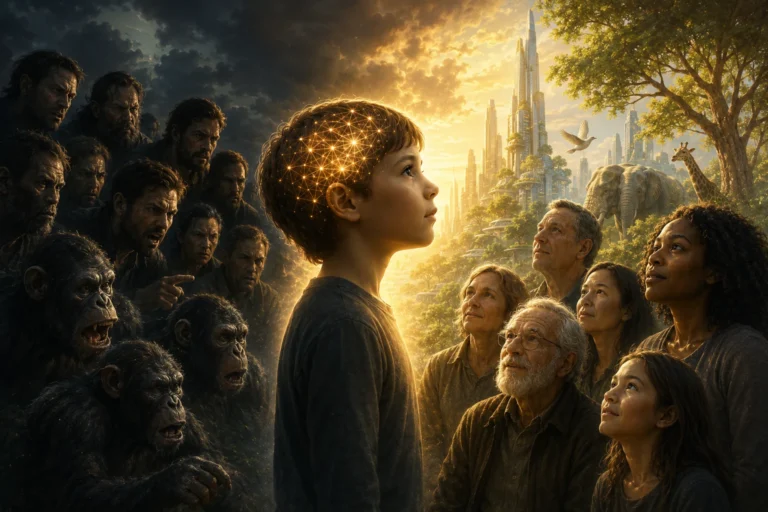
A retired teacher once said something to me that I have never forgotten. He was ninety-three years old and had spent a lifetime teaching young minds. “You know, Richard,” he said, “a less intelligent person, by definition, can never understand a more intelligent person.” At the time, I thought it
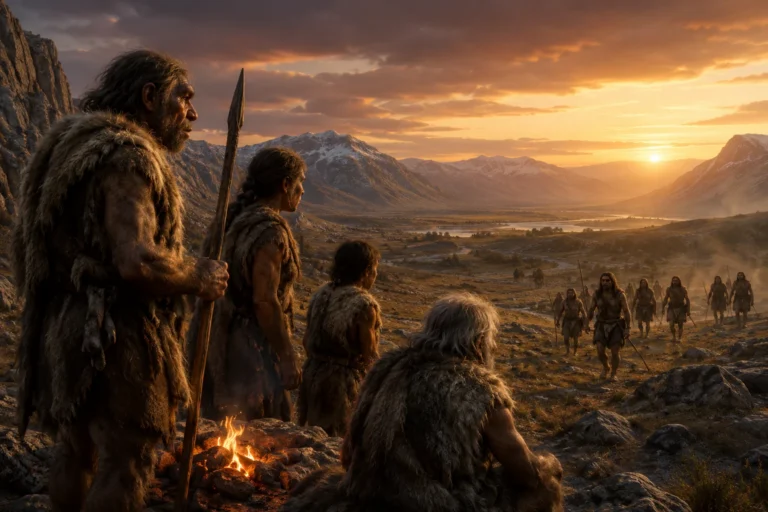
For many years I have been haunted by a question that sounds simple only until one begins to think more deeply about it. What was it like to be among the last Neanderthals? Notice that I did not ask about the last Neanderthal. The distinction matters. Modern readers immediately imagine
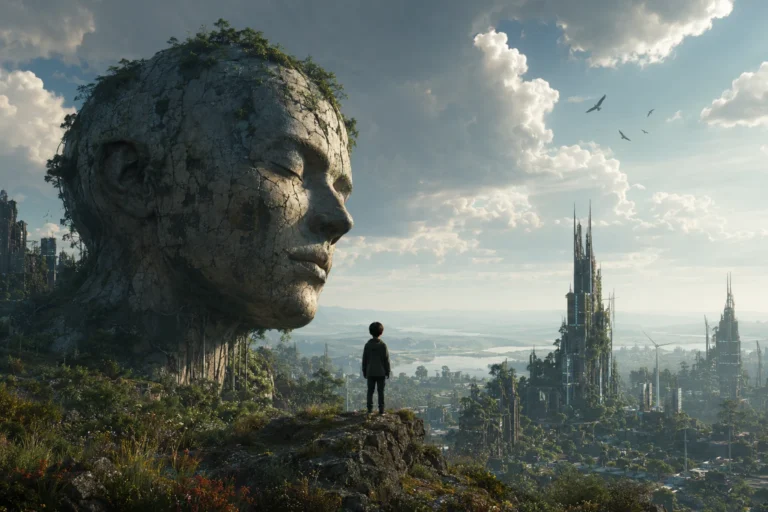
Modern civilization rests upon a quiet assumption: that greater intelligence leads inevitably toward progress. We rarely question this anymore. Intelligence gave us medicine, engineering, literature, music, philosophy, law, astronomy, flight, and computers. It placed human beings on the moon. It split the atom. It mapped the genome. Surely evolution was
We assume the future will include us. We like to believe we are in control of the important things. Not in a childish sense. Most people understand they cannot control the weather or stop time. But there is a deeper assumption that runs underneath our thinking: that the large movements
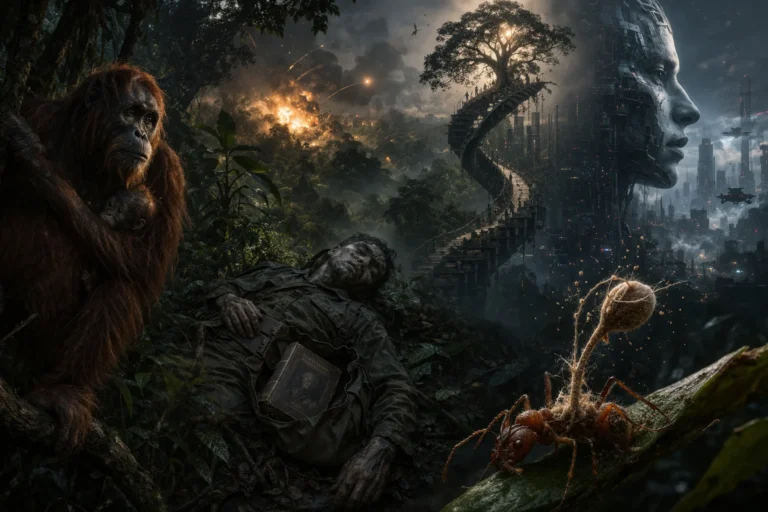
There are things a man sees that time does not carry away. They do not fade. They do not settle. They do not behave. Years later they return with the same force they had when they first occurred, as if time had sanded smooth everything except them. The Stillness Series grew